

Rickettsiae #Rickettsiae lecture m.sc botany

#Rickettsiae#microbiology #Botany#plant#botanystudytipsscience
welcome too Botanystudytipsscience
topic :-- Rickettsiae
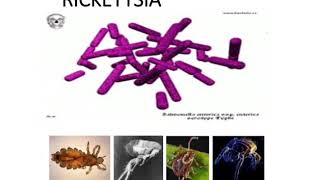
Properly, Rickettsia is the name of a single genus, but the informal term "rickettsia", plural "rickettsias", usually not capitalised, commonly applies to any members of the order Rickettsiales. Being obligate intracellular parasites, rickettsias depend on entry, growth, and replication within the cytoplasm of living eukaryotic host cells (typically endothelial cells).[9] Accordingly, Rickettsia species cannot grow in artificial nutrient culture; they must be grown either in tissue or embryo cultures; typically, chicken embryos are used, following a method developed by Ernest William Goodpasture and his colleagues at Vanderbilt University in the early 1930s.
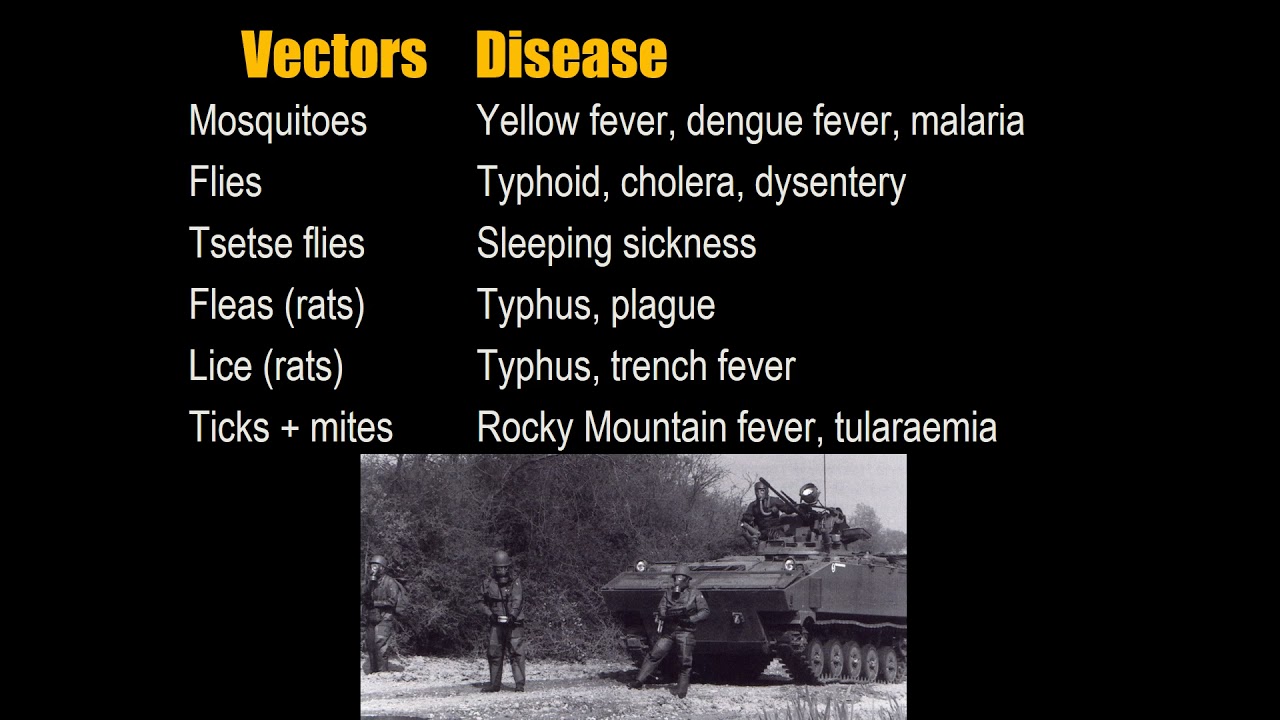
Rickettsia species are transmitted by numerous types of arthropod, including chigger, ticks, fleas, and lice, and are associated with both human and plant diseases.[10] Most notably, Rickettsia species are the pathogens responsible for typhus, rickettsialpox, boutonneuse fever, African tick-bite fever, Rocky Mountain spotted fever, Flinders Island spotted fever, and Queensland tick typhus (Australian tick typhus).[11] The majority of Rickettsia bacteria are susceptible to antibiotics of the tetracycline group.
#YouTube #plant#botanyM.sc #botanyb. sc
#microbiology