What is Pair Programming?
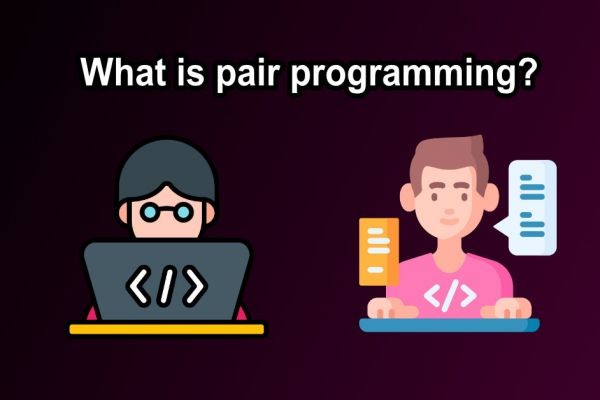
Pair programming is a software development technique where two programmers work together at a single workstation. One programmer, known as the "driver," writes the code, while the other, known as the "navigator," reviews each line of code as it is written. The two programmers switch roles frequently to ensure a collaborative and balanced approach.
Outline of the Article:
Introduction to Pair Programming
- What is Pair Programming?
- The Origins of Pair Programming
- Why Pair Programming Matters
Key Concepts in Pair Programming
- The Driver and Navigator Roles
- Importance of Role-Switching
- Collaborative Problem-Solving
Benefits of Pair Programming
- Improved Code Quality
- Enhanced Team Communication
- Faster Problem Detection and Resolution
- Increased Knowledge Sharing
Challenges of Pair Programming
- Potential for Conflict
- The Time Investment
- Navigating Personality Clashes
Best Practices for Effective Pair Programming
- Setting Clear Goals
- Regular Role Switching
- Effective Communication Techniques
- Choosing the Right Pairing
Pair Programming in Agile Development
- How Pair Programming Fits into Agile
- Benefits in Agile Teams
- Pair Programming in Scrum and XP
Tools and Technologies for Pair Programming
- Essential Tools for Collaboration
- Using Remote Pair Programming Tools
- Integrating Pair Programming with Version Control
Real-World Examples of Pair Programming
- Case Studies from Tech Companies
- Success Stories of Pair Programming
Pair Programming in Education
- Teaching Pair Programming to Students
- Benefits for Learning and Collaboration
Tips for New Pair Programmers
- How to Get Started with Pair Programming
- Common Mistakes to Avoid
- Building Confidence as a Pair Programmer
Pair Programming and Remote Work
- Adapting Pair Programming to Remote Environments
- Overcoming Challenges in Remote Pair Programming
The Future of Pair Programming
- Trends in Collaborative Coding
- The Role of AI in Pair Programming
Conclusion
- Summary of Key Points
- Final Thoughts on Pair Programming
FAQs
- What is the main purpose of pair programming?
- How often should roles switch in pair programming?
- Can pair programming be done remotely?
- Is pair programming suitable for all types of projects?
- What tools are recommended for pair programming?
Introduction to Pair Programming
What is Pair Programming?
Pair programming is a development practice where two programmers collaborate on the same piece of code at one workstation. The practice, popularized by the Agile methodology, fosters collaboration, reduces errors, and enhances code quality. In this setup, one programmer, called the "driver," types the code, while the other, the "navigator," continuously reviews the work, providing feedback and suggestions.
The Origins of Pair Programming
Pair programming originated from Extreme Programming (XP), an Agile software development methodology introduced in the late 1990s. The concept was designed to improve code quality and developer productivity by encouraging continuous collaboration and feedback.
Why Pair Programming Matters
In a world where software development is increasingly complex, pair programming offers a way to catch errors early, enhance team collaboration, and produce higher-quality code. It's not just about writing code—it's about building a shared understanding of the project and ensuring that multiple perspectives are considered.
Key Concepts in Pair Programming
The Driver and Navigator Roles
In pair programming, the driver is responsible for writing the code, while the navigator reviews each line, thinking critically about the overall direction of the project. The navigator's role is crucial as they help catch mistakes, think strategically, and provide an external perspective.
Importance of Role-Switching
Regularly switching roles between the driver and navigator keeps both programmers engaged and prevents fatigue. It also ensures that both participants are equally familiar with the codebase, leading to better collaboration and shared ownership of the project.
Collaborative Problem-Solving
Pair programming encourages collaborative problem-solving, as two minds working together can often find solutions more efficiently than one. This collaboration leads to more creative and robust solutions, enhancing the overall quality of the software.
Benefits of Pair Programming
Improved Code Quality
With two programmers continuously reviewing the code, errors are caught earlier, and the overall quality of the code is enhanced. This practice reduces the likelihood of bugs making it to production and ensures that the code adheres to best practices.
Enhanced Team Communication
Pair programming fosters open communication between team members. As they work together, they discuss coding practices, project requirements, and potential issues, leading to better team cohesion and a deeper understanding of the project.
Faster Problem Detection and Resolution
Having two sets of eyes on the code means that issues are identified and resolved more quickly. The navigator often spots problems that the driver might miss, leading to a more efficient development process.
Increased Knowledge Sharing
Pair programming promotes knowledge sharing among team members. Junior developers can learn from more experienced colleagues, while senior developers gain insights into fresh perspectives and new approaches.
Challenges of Pair Programming
Potential for Conflict
Working closely with another person can sometimes lead to conflicts, especially if there are differences in coding styles or approaches. It's important to manage these conflicts constructively to maintain a positive working relationship.
The Time Investment
Pair programming can be time-consuming, as it involves two people working on the same task. While it often results in higher-quality code, teams need to weigh the time investment against the potential benefits.
Navigating Personality Clashes
Not all personalities mesh well, and this can be a challenge in pair programming. Teams should be mindful of pairing programmers who work well together and can effectively collaborate.
Best Practices for Effective Pair Programming
Setting Clear Goals
Before starting a pair programming session, it's essential to set clear goals. Understanding what needs to be achieved helps both programmers stay focused and aligned.
Regular Role Switching
To keep both participants engaged and prevent burnout, it's important to switch roles regularly. This practice also ensures that both programmers have a comprehensive understanding of the code.
Effective Communication Techniques
Clear and respectful communication is key to successful pair programming. Programmers should be open to feedback, ask questions, and discuss different approaches without fear of judgment.
Choosing the Right Pairing
Not all pairings work well together. It's important to consider factors like experience level, coding style, and personality when pairing programmers. Finding the right match can make a significant difference in the effectiveness of the practice.
Pair Programming in Agile Development
How Pair Programming Fits into Agile
Pair programming aligns well with Agile principles, particularly the emphasis on collaboration and continuous improvement. It supports the Agile goal of delivering high-quality software through iterative development and regular feedback.
Benefits in Agile Teams
In Agile teams, pair programming helps maintain a high level of code quality while fostering a collaborative environment. It also supports the Agile practice of continuous integration by ensuring that code is thoroughly reviewed before being merged.
Pair Programming in Scrum and XP
Pair programming is particularly popular in Scrum and Extreme Programming (XP) teams. In these environments, it helps ensure that code is always in a releasable state and that the team is constantly improving its processes.
Tools and Technologies for Pair Programming
Essential Tools for Collaboration
To make pair programming effective, teams need the right tools. These include version control systems like Git, code editors that support real-time collaboration, and communication tools for remote teams.
Using Remote Pair Programming Tools
With the rise of remote work, tools like Visual Studio Live Share, GitHub Codespaces, and JetBrains Code With Me have become essential for enabling pair programming across distances.
Integrating Pair Programming with Version Control
Version control systems like Git are crucial for pair programming, as they allow for seamless collaboration and ensure that all code changes are tracked and reversible.
Real-World Examples of Pair Programming
Case Studies from Tech Companies
Many tech companies, including Google and Facebook, have successfully implemented pair programming. These companies have reported improved code quality, faster development cycles, and stronger team collaboration as a result.
Success Stories of Pair Programming
There are numerous success stories in the tech industry where pair programming has led to innovative solutions, faster problem resolution, and a more cohesive team environment.
Pair Programming in Education
Teaching Pair Programming to Students
Pair programming is an effective teaching tool in educational settings. It encourages students to collaborate, share knowledge, and learn from each other, which can lead to a deeper understanding of programming concepts.
Benefits for Learning and Collaboration
Students who engage in pair programming often develop better problem-solving skills, as they are exposed to different ways of thinking and coding practices. It also helps them build essential teamwork and communication skills.
Tips for New Pair Programmers
How to Get Started with Pair Programming
For those new to pair programming, it's important to start with small tasks and gradually build up to more complex projects. This allows both programmers to get comfortable with the process and develop effective communication habits.
Common Mistakes to Avoid
Common mistakes in pair programming include not switching roles regularly, poor communication, and focusing too much on the driver's tasks rather than the overall project. Avoiding these pitfalls can lead to a more successful collaboration.
Building Confidence as a Pair Programmer
Confidence in pair programming comes with practice. By engaging in regular pair programming sessions, programmers can build their skills, learn from their peers, and become more comfortable with the process.
Pair Programming and Remote Work
Adapting Pair Programming to Remote Environments
Remote work has made pair programming more challenging, but with the right tools and practices, it's still possible to collaborate effectively. Regular communication, video calls, and screen sharing can help bridge the gap.
Overcoming Challenges in Remote Pair Programming
Challenges like time zone differences, communication barriers, and technical issues can be overcome with careful planning and the use of appropriate tools. It's important to establish clear communication channels and be flexible with scheduling.
The Future of Pair Programming
Trends in Collaborative Coding
As technology continues to evolve, pair programming is likely to become more integrated with other collaborative coding practices. Trends like AI-assisted coding and real-time collaboration tools are set to shape the future of pair programming.
The Role of AI in Pair Programming
AI tools are beginning to play a role in pair programming by offering suggestions, catching errors, and automating repetitive tasks. While AI won't replace human collaboration, it can enhance the process and make pair programming more efficient.
Conclusion
Pair programming is a powerful practice that brings together two minds to solve complex problems, produce high-quality code, and foster a collaborative work environment. While it comes with its challenges, the benefits of pair programming far outweigh the drawbacks, making it an essential tool in modern software development.
FAQs
1. What is the main purpose of pair programming?
The main purpose of pair programming is to improve code quality, enhance collaboration, and facilitate knowledge sharing between team members.
2. How often should roles switch in pair programming?
Roles should switch regularly, ideally every 30 minutes to an hour, to keep both programmers engaged and ensure that they both understand the codebase thoroughly.
3. Can pair programming be done remotely?
Yes, pair programming can be done remotely using tools like Visual Studio Live Share, GitHub Codespaces, and JetBrains Code With Me.
4. Is pair programming suitable for all types of projects?
Pair programming is most effective in complex, high-stakes projects where code quality and collaboration are critical. It may not be necessary for simple, low-risk tasks.
5. What tools are recommended for pair programming?
Recommended tools for pair programming include version control systems like Git, code editors that support real-time collaboration, and communication tools like Zoom or Slack.